Complete Guide to protecting your property from common pests
Complete Guide to protecting your property from common pests
Blog Article
Tested Pest Control Answers: Maintain Your Home Free of Pests
Effective pest control approaches are vital for preserving a comfortable home environment. Homeowners encounter multiple challenges from typical pest issues, which can disrupt daily life. Recognizing the signs of pest invasion is the first step in managing these issues. While natural methods have gained popularity, understanding the full range of control options is essential. This exploration presents important inquiries about the balance between do-it-yourself approaches and when to seek professional assistance. What tactics will turn out to be most successful?
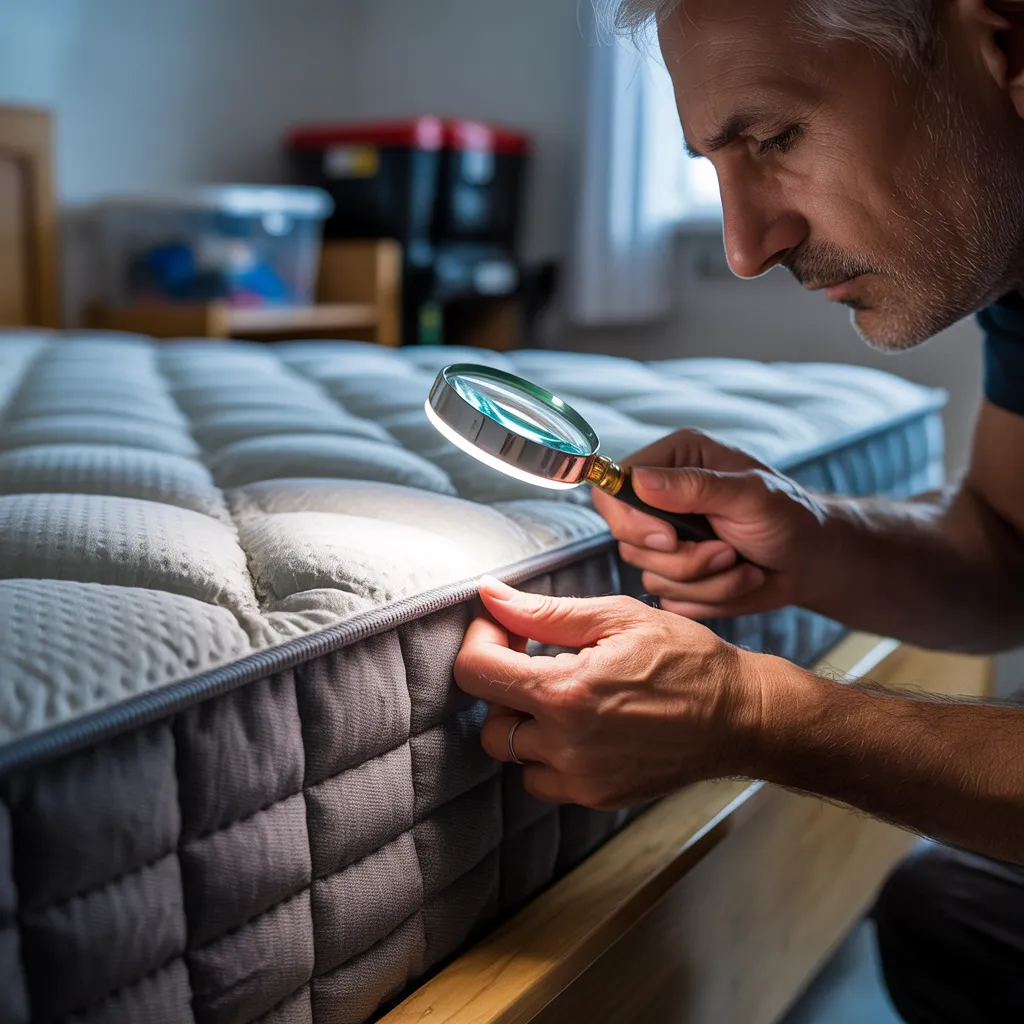
Common Home Insects and Impactful Pest Control
When home occupants notice pests in their living spaces, they usually ask for swift fixes for common domestic pests. Ants, cockroaches, and rodents are frequently encountered among these pests. Ants normally enter kitchens in search of food, whilst cockroaches thrive in warm, dark places. Rodents, alternatively, can lead to damage to structures and pose health risks.
Efficient pest control commences with detection and avoidance. Homeowners are recommended to block access openings, preserve tidiness, and remove available food. Bait traps and insecticides can be used for targeted pest issues, though caution is advised to guarantee safety for children and pets. In critical situations, professional pest control services may be necessary to execute extensive elimination strategies. Understanding the behavior of these creatures and deploying precise tactics fosters a improved household conditions and mitigates upcoming pest outbreaks.
Recognize Signs of Infestation
Recognizing indicators of pest presence is essential for successful pest control. Typical signs include strange sounds, distinct smells, and visible droppings or damage to property. Detecting these symptoms early can help prevent a small problem from developing into a serious infestation.
Common Bug Warnings
How does one identify the subtle signs of a pest infestation? Recognizing common pest indicators becomes essential enabling swift response. Small droppings, regularly akin to grains of rice or coffee grounds, can suggest the occurrence related to bugs or rodents. Additionally, gnawed materials, such as wires or wood, show chewing pests like rats or termites. Unusual marks on pieces of furniture or walls, featuring smudge marks or scratches, may signify insect activity. Moreover, webbing or nests located in tucked-away areas regularly suggest pest outbreaks. Home occupants should also be vigilant for shed coverings or cast wings, that regularly happen in certain insects. By being aware of these signs, one can take proactive measures to ensure homes devoid of pests.
Unusual Sounds and Odors
Unusual sounds and smells can be significant signs of a pest infestation. Homeowners may hear scraping, scurrying, or chewing sounds, particularly at night when pests are most active. These noises often indicate the presence of rodents, such as mice or rats, which tend to inhabit walls, attics, or basements. Additionally, certain odors can suggest an infestation. A musty or pungent odor may indicate a buildup of droppings or urine, while a unpleasant, rotting scent could suggest the presence of dead pests. Recognizing these auditory and smell signs is essential for early detection. Prompt attention to unusual noises and smells can help homeowners take action before a minor issue develops into a more significant pest problem.
Clear Excrement or Destruction
wall damage. Such signs not only points to the existence of pests but also highlights possible threats to wellbeing and property. Early detection of these signs is vital for effective pest management and prevention strategies, ensuring a safe and pest-resistant environment.
Key Eco-Friendly Pest Elimination Strategies
Although numerous property owners pursue synthetic treatments for insect management, excellent organic techniques offer effective alternatives that remain both environmentally responsible and protective. Pure plant oils, like lavender and peppermint, can repel various insects due to their strong scents. Diatomaceous earth operates as a natural insecticide, moisture-removing pests on contact. Furthermore, vinegar proves to be a multipurpose tool, effectively preventing ants and spiders when sprayed as a liquid application.
Handmade catches, like lure jars for fruit flies, can also be useful. Introducing natural enemies, such as ladybugs and lacewings, helps suppress pest populations without damaging the ecosystem. Moreover, regular cleaning and proper food storage deter unwanted guests by eliminating attractants. Planting herbs like basil and rosemary around the home can also serve as natural repellents. By integrating these methods, homeowners can maintain a pest-resistant home while promoting a more salubrious dwelling.
Exploring Chemical Pest Control Options
Chemical pest control options supply a range of pest control substances designed to combat certain pests effectively. Understanding these various formulations is fundamental for proper usage and minimizing ecological footprint. Also, adhering to safety requirements is critical to verify the health status of both users and surrounding ecosystems.
Categories Of Chemical Pesticides
Pesticides serve an vital role in modern agriculture and pest control, providing a variety of options designed to address specific pests effectively. There are multiple types of chemical pesticides, including insecticides, which control insect populations; herbicides, which eliminate unwanted plants; and fungicides, used to combat fungal infections. Additionally, rodenticides are formulated to eliminate rodents, while nematicides concentrate on parasitic worms. Each category includes various active ingredients, enabling for customized approaches based on the pest type and infestation level. Systemic pesticides are absorbed by plants, providing internal protection, while contact pesticides act on contact with the pest. Understanding these classifications aids in choosing the most appropriate pesticide for effective and efficient pest control.
Safety Guidelines To Keep In Mind
When performing pest control, it is vital to stress security protocols to minimize potential risks linked to chemical applications. Homeowners should always adhere to label instructions thoroughly, securing proper dosage and application methods. Personal protective equipment (PPE) such as gloves, masks, and goggles is necessary to safeguard against chemical exposure. It is suggested to keep children and pets away from treated areas until the chemicals have dried and the space has been circulated. Additionally, placing pesticides securely and out of reach can prevent accidental ingestion. Finally, exploring green alternatives can reduce health risks while still successfully controlling pest problems. Implementing these precautions provides a safer environment while conducting necessary pest control measures.
Implement do-it-yourself pest management Tips
Utilizing DIY pest control strategies provides homeowners the ability to manage pest problems efficiently and affordably. Straightforward solutions frequently use common household items, rendering them accessible and budget-friendly. For example, a blend of vinegar and water can deter ants, while baking soda and sugar can draw in and eradicate cockroaches.
Preserving orderliness is necessary; storing food securely and quickly cleaning up spills discourage pest attractions. Homeowners can also establish protective barriers by sealing gaps and cracks around doors and windows. Botanical oils like peppermint and tea tree oil deliver natural repellent properties, presenting a aromatic alternative to synthetic chemicals.
By frequently checking the home for pest indicators, you can allow for prompt action, preventing larger infestations. Traps and bait stations can be carefully positioned in high-traffic areas to monitor and control pest populations. By implementing these DIY strategies, homeowners can maintain a pest-free environment while fostering a sense of ownership and accountability in their living spaces.
When should you acquire expert assistance?
Homeowners may discover that despite their greatest attempts with DIY pest control methods, some invasions need professional intervention. Indicators showing the necessity for expert help include persistent pest activity, large infestations, or the presence of pests that pose health risks, such as rodents or termites. If initial treatments fail to yield results, it may be time to contact professionals who possess specialized knowledge and tools.
In addition, specific situations require urgent professional assistance. These encompass the finding of nests in hard-to-reach areas, potential structural damage brought about by pests, or when dealing with risky insects, like wasps. Homeowners should too evaluate professional support if they lack the time or resources to address the situation productively. In the end, retaining a pest control expert can guarantee a detailed review and a strategic approach, delivering peace of mind and a pest-free environment.
Often Requested Questions
How Can I Block Pests From Getting Into My Home?
To avoid pests from entering a home, one should fill openings, install screens on windows, maintain cleanliness, store food properly, and periodically examine for indicators of pest presence. These measures greatly reduce the likelihood of unwanted guests.
Do Petsafe pest control options available?
Yes, pest-safe options are accessible for those with pets. Organic repellents, essential oils, and snares engineered for use near pets can efficiently repel pests while not injuring pets. Always check product labels for safety guidelines.
What Are the Expenses Related to Pest Control Services?
Expenses associated with pest control services differ considerably, typically ranging from $100 to $300 for initial applications. Ongoing upkeep programs may run $40 to $70 per month, based on the intensity of the infestation and treatment schedule.
How extended Does Pest Control Treatment last?
Pest management application typically runs from a few weeks to many months, determined by the pest type and the technique take the first step applied. Regular appointments may be needed to preserve performance and prevent re-infestation.
Is It Feasible for Pests to Reappear Following Treatment, and What Methods Can Prevent It?
Pests may resurface after treatment if not properly managed. Preventive approaches include blocking entry ways, maintaining cleanliness, and regular inspections. These actions help lower the risk of recurring infestations and maintain a pest-free environment.
Report this page